
WA Hernia · Dr Stephen Watson
Hernia Surgery in Western Australia
See a specialist for your hernia. Laparoscopic and open hernia repair with Dr Stephen Watson, FRACS — specialist general surgeon across Perth and regional WA.
Or phone Dr Watson’s rooms on (08) 6311 7578 — Monday to Friday, 8.30am to 5pm.
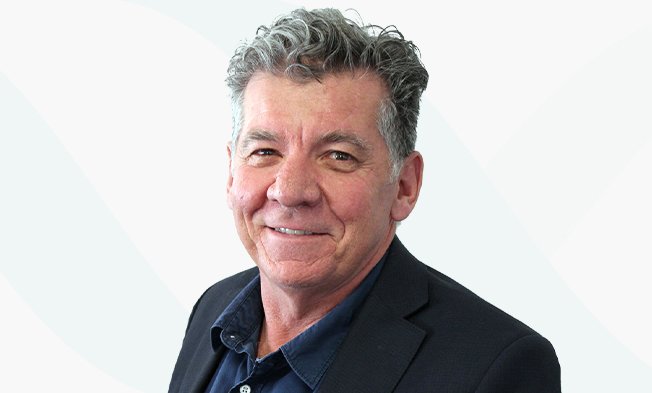
Dr Stephen Watson, MBBS, FRACS — specialist general surgeon with a focused hernia practice in Western Australia.
What is a hernia?
A hernia is a weakness in the abdominal wall through which tissue — usually fat or a small loop of bowel — pushes outward. You may notice a soft bulge that comes and goes, or a dull ache that worsens with lifting or straining. Hernias do not resolve on their own. Almost all hernias eventually need surgical repair, both to relieve symptoms and to reduce the risk of bowel becoming trapped (incarcerated) — a complication that can become an emergency.
Hernias Dr Watson treats
The five hernia types Dr Watson sees most commonly in his Perth and regional WA consultations.
-
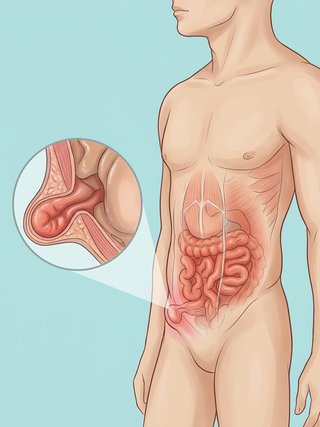
Inguinal hernia
The most common hernia — a bulge in the groin caused by tissue pushing through the inguinal canal.
Read more → -
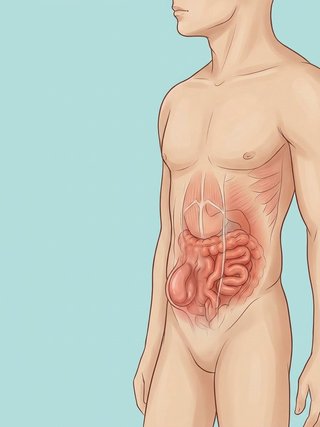
Umbilical / ventral hernia
A bulge at or near the belly button, common after pregnancy or rapid weight change.
Read more → -
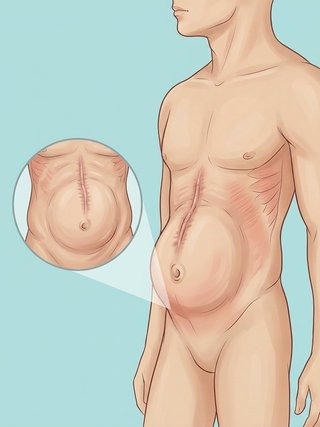
Incisional hernia
A hernia that develops through the scar of a previous abdominal operation.
Read more → -
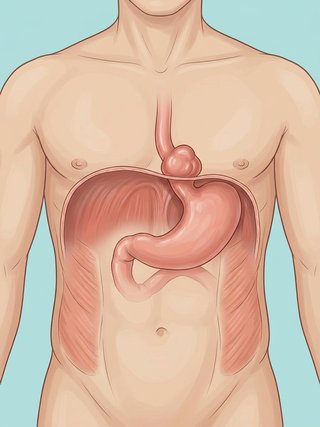
Hiatus hernia
A hernia inside the chest where the stomach pushes up through the diaphragm — often causing reflux.
Read more → -
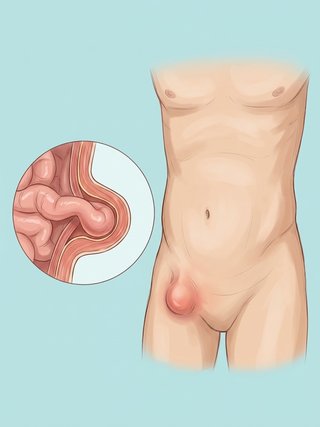
Femoral hernia
A less common groin hernia that sits below the inguinal canal — repair is usually recommended.
Read more →


Why a focused hernia practice
-
Specialist general surgeon
Dr Watson is a Fellow of the Royal Australasian College of Surgeons (FRACS) and registered with AHPRA as a Specialist in General Surgery. He has practised in Western Australia since 1999 and is a member of the Australian and New Zealand Hernia Society — a professional body for surgeons with a focused hernia practice.
-
Modern techniques
Laparoscopic (“keyhole”) repair where appropriate, with same-day discharge for most patients.
-
Personalised care
Dr Watson personally sees you at consultation, performs your surgery, and reviews you at follow-up.
Statewide reach
Consultations across Western Australia
Travel can be exhausting when you’re unwell. Dr Watson holds monthly consultations across regional WA — your surgery is still performed in Perth, but consultation and follow-up can happen closer to home.
Perth & Peel
Mid West
Goldfields–Esperance
Pilbara
Anywhere else in WA? Telehealth consultations are available across the state — book a video call from anywhere.
If your situation is a bit different
Dr Watson sees three patient groups with particular needs.
-
WorkCover patients
If your hernia happened at work, we accept WorkCover referrals.
-
Self-funded patients
If you need surgery quickly to return to work, we can help.
-
Reflux after weight-loss surgery
If you’ve had a gastric sleeve or bypass and are now struggling with reflux, you may have a hiatus hernia.
Hospitals Dr Watson operates at
- Hollywood Private Hospital, Nedlands

What to expect, from referral to recovery
Most patients move through these four stages over a few weeks.
-
Referral
Ask your GP for a referral to Dr Stephen Watson. A current referral is needed for Medicare rebates.
-
Consultation
Meet Dr Watson in South Perth, at a regional visit, or by telehealth. He’ll examine you, talk through the options, and answer your questions.
-
Surgery, if needed
Surgery is performed at a Perth private hospital. Most hernia repairs are done as day surgery using keyhole technique where appropriate.
-
Recovery & follow-up
Dr Watson reviews you after surgery — in person on his next regional visit, or by telehealth from anywhere in WA.
Common questions
Do I need a referral to see Dr Watson?
Yes — a current referral from your GP is required so that Medicare rebates can be claimed against your consultation. A GP referral lasts 12 months; a referral from another specialist lasts 3 months. Bring it with you, or ask your GP to email it to reception@lapsurgery.com.au ahead of your appointment.
How quickly can I be seen?
Most patients are offered a consultation within one week of referral — either in South Perth, at a regional visit, or by telehealth. If your situation is urgent (severe pain, vomiting, or a bulge that has suddenly become hard and painful), please phone Dr Watson’s rooms on (08) 6311 7578 so we can prioritise your appointment.
Is hernia surgery covered by Medicare?
Medicare provides rebates against surgeon, anaesthetist, and hospital fees for medically-indicated hernia repair. The rebate covers part of the cost but not the full fee. Out-of-pocket cost depends on whether you have private health insurance, are self-funded, are covered by WorkCover, or hold a DVA card. Our rooms can provide a written estimate before you commit to surgery.
Do I need private health insurance?
Private health insurance with hospital cover (typically bronze tier or above) usually covers hernia surgery at the private hospitals Dr Watson operates at. If you are self-funded, an itemised estimate is provided at consultation. Public hospital pathways are also available but generally involve longer waits. WorkCover and DVA patients are covered through those schemes.
Which hospital does Dr Watson operate at?
Dr Watson operates at Hollywood Private Hospital in Nedlands. Hollywood is covered by all major Australian private health funds for hernia repair. The rooms can confirm cover and any expected out-of-pocket cost ahead of your operation.
Is keyhole (laparoscopic) hernia repair right for me?
Laparoscopic ("keyhole") repair is suitable for many — but not all — hernias. It typically involves smaller cuts and a shorter recovery for desk-based work. Open repair is sometimes the better option, particularly for very large hernias, recurrent hernias, or in patients with significant prior abdominal surgery. Dr Watson will discuss the pros and cons of each option for your specific case.
How long is recovery from hernia surgery?
Recovery varies between patients and depends on the type of hernia, the surgical approach, and the physical demands of your work. Most patients in desk-based roles return to work within one to two weeks. Light manual work typically takes three to four weeks. Heavy manual work, FIFO, and mining roles usually require around six weeks before unrestricted lifting. These are general guidelines, not guarantees.
What are the risks of hernia surgery?
All surgery carries risks. For hernia repair these may include bleeding, infection, fluid collection, nerve injury, chronic pain, mesh-related issues, and recurrence. Anaesthesia carries its own risks. Dr Watson will discuss the risks specific to your situation when obtaining informed consent. Any surgical or invasive procedure carries risks — you should seek a second opinion from an appropriately qualified health practitioner.
Visit Dr Watson’s rooms
21 Charles Street
South Perth WA 6151
Phone (08) 6311 7578
After hours 0412 887 990
Email reception@lapsurgery.com.au
Monday to Friday, 8.30am to 5pm.
Online enquiries are handled by Dr Watson’s reception team. For urgent symptoms please phone the rooms directly.
21 Charles Street, South Perth WA 6151
Map embed goes here at launch.